What Seal Coating Does For Your Pavement
Protection That Extends Asphalt Life
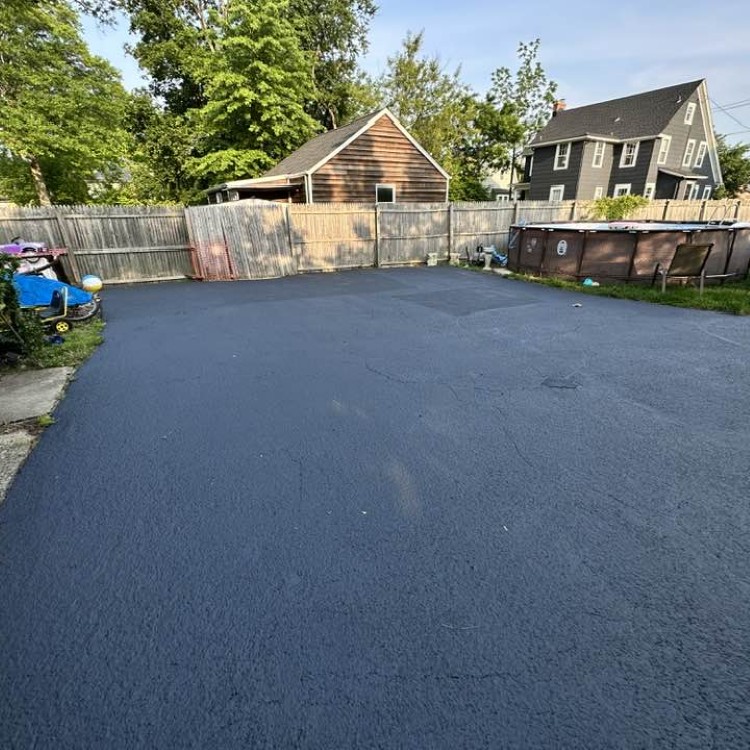
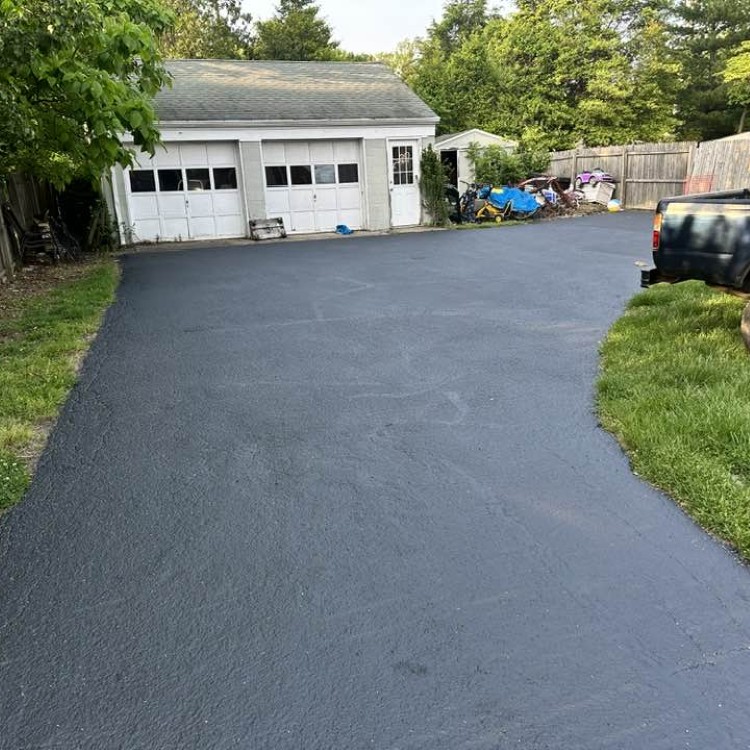
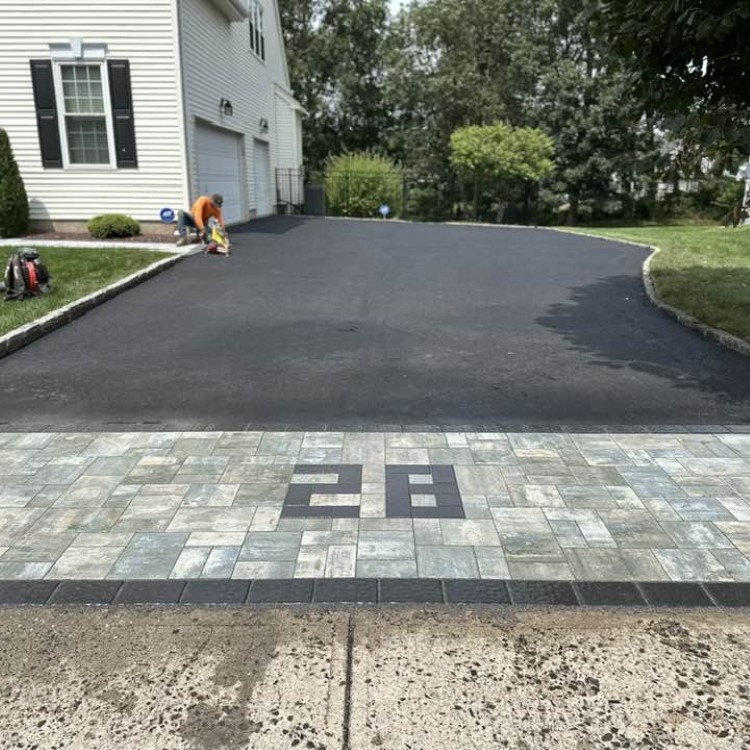
Seal coating is a protective layer applied over asphalt to help defend it from the elements and everyday wear. It slows down oxidation from sun exposure, reduces moisture penetration, and helps resist damage from vehicle fluids like oil and gas. When applied correctly, it also restores a clean, dark finish that improves curb appeal and makes the surface look newer.
Unsealed asphalt gradually dries out and becomes brittle, leading to raveling, small cracks, and surface deterioration that can spread quickly. Seal coating helps preserve the flexibility of your pavement so it can better handle temperature changes, traffic, and seasonal conditions. It is a proactive way to protect your investment and reduce the frequency of larger repairs over time.
Clean Preparation, Even Coverage, Reliable Curing
Quality seal coating starts with proper preparation. We remove debris, dirt, and buildup so the sealer can bond to the asphalt rather than sitting on top of contaminants. We also evaluate the surface for issues like cracking, oxidation, and low areas so the coating plan matches the condition of the pavement.
Once the surface is ready, we apply sealant evenly for consistent protection and appearance. We plan application and curing around weather and site conditions to help the coating set properly and avoid tracking, premature wear, or uneven finish. The goal is a smooth, uniform coat that looks great and performs well under real-world traffic.
Timing, Longevity, And Performance Factors
Seal coating is typically recommended on a routine schedule to maintain protection, especially after the asphalt has cured and the surface begins to show fading or light surface wear. The ideal timing depends on the age of the pavement, traffic volume, drainage conditions, and prior maintenance history. Sealing too early or too late can reduce performance, which is why an on-site evaluation is important.
After application, the surface needs time to cure before vehicle traffic returns. Factors like temperature, humidity, shade, and airflow affect curing time, so the return-to-service plan should be tailored to your property’s conditions. We provide clear guidance on access, drying expectations, and how to avoid scuffs or marks while the coating fully sets.
Seal coating improves appearance and slows deterioration, but it is not a substitute for structural repairs. If a surface has widespread cracking, base failures, or significant depressions, those issues should be addressed first so the seal coat can perform as intended. The best results come from combining good drainage, crack attention as needed, and a consistent maintenance schedule.
Talk with an Expert
Start your service request today!

Locally Owned
Local crew, proven craftsmanship, done right.
Excellent Services
Delivering exceptional results through professional expertise and dedicated support.
Free Estimates
Clear pricing before the first line is drawn.